I read, The Stretcher Bearer, which is a poem written by Thomas Albert Crawford who was a Pte. (Private) in the 15th DLI (Durham Light Infantry) which was apart of the British Army, he was injured on Jult 1, 1916 and he died in 1980. I found the poem interesting because how good the poem is as just a poem, and then adding on the emotion behind it. While I understood that it was very common for soldiers to write poems I wasn't expecting a poem as such quality. The poem really expresses the futility of trying to escape the horrors and pains of war, as well as touching on the humanity of the war expressing just how devestating it was. It displays the exact opposite of how people saw war at the start of it, where they were celebrating that they were going to war, but rather at the time the poem is written just how badly it effected people. It describes how there was rarely a moment where there wasn't any fighting and/or gun shots. I found it very revealing to just how the soldiers felt emotionally and physically at that point in the war which I wasn't prepared for.
Links to images:
http://www.ww1westernfront.gov.au/bullecourt/images/awm-e00454.jpg
Tuesday, January 31, 2012
Tuesday, January 17, 2012
Friday, January 13, 2012
The Great White Fleet Research Progress So Far
In my research I found these two sources, 100 years later, the Navy salutes 'Great White Fleet',and Fleet was our Great White hope. These sources provided me with a clean picture of what the people thought of this endeavor that was the Great White Fleet, as well as what the government administration meant for it to do and effect. The first of the two sources also provides several quotations that allows for a more in depth understanding of what all different kinds of people thought/saw/viewed it as and did. It allows for the inference and the interpretation of the information provided to paint a picture of what was happening.
Tuesday, November 8, 2011
New York Fire Department
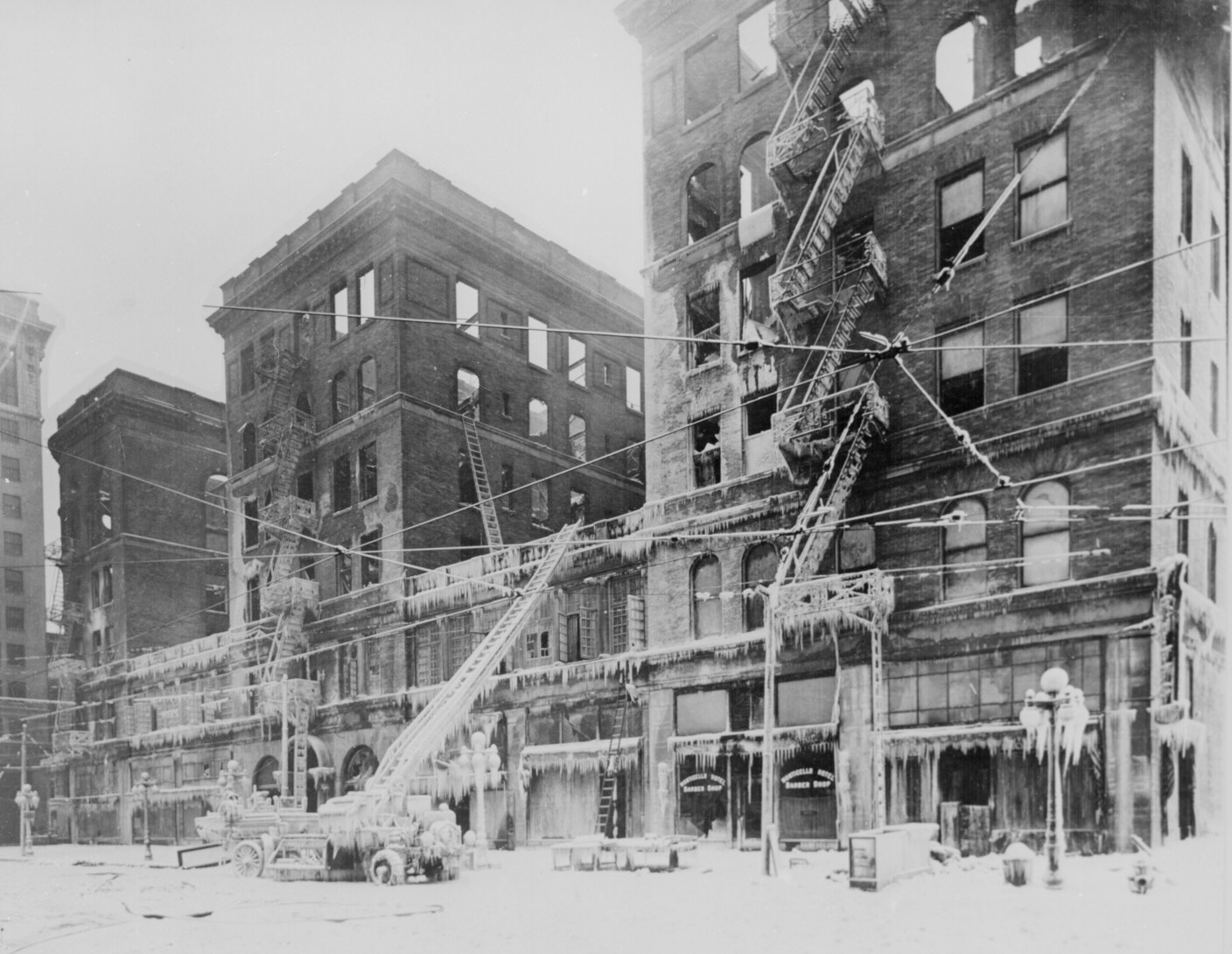
In-between the 1880s and the 1920s the use of fire departments in several large cities became very important, having impacts socially, economically, safety wise, and others. One of the cities that this was predominant in was New York City.
With the introduction of paid fire departments came the advantages of a constant labor force that lead to the development of more modern equipments and technologies to prevent fires, instilling a more disciplined structure, and increased their efficiency.
During this time firefighting became an extremely desirable position due to its job security when the employment market became unstable. Firefighting also retained the glamour and prestige it had from before when it was a volunteer only position. All though it was a dangerous occupation, it became a gateway job into the middle class scene.
On a whole, many of the immigrants coming to NYC sought out firefighting jobs because of how well they allowed for the entrance into the middle class, and the job security. The immigrant countries that were predominant were from, Germany, Poland, Italy, and Scandinavia. But no other group was more predominant than the Irish. The Irish and other immigrants, who were immigrating because of insecurities in their home countries, sought out job security.
During this time period firefighting developed a “firehouse culture”. Firefighting considered to dangeroues for women, the job type was a male dominated one, where those working were all very masculine. Along with this, the “firehouse culture” was Catholic, where in larger fire departments included a Catholic parish. They became a very exclusive and small group of their own. The average firefighter was characterized as: a male, Irish, a part of the working class, and a Catholic.
In large cities, where populations were increasing at rapid rates, large scale fires became a problem. One such fire was the Triangle shirtwaist fire of 1911. Where the resulting death toll was 146 workers. Leaving the 8th, 9th and 10th floors were severally burned. These fires were the marking points of several laws being passed that were meant to outline new workplace safety. Fire serves pushed for new fire codes and safety standards, which lead to the development of mandatory fire drills, and the use of new technologies like sprinkler systems. With those facts in mind, fire fighting departments would develop sub branches in order to address growing needs. some of these branches were a rescue unit, fire boats, and ambulance services.
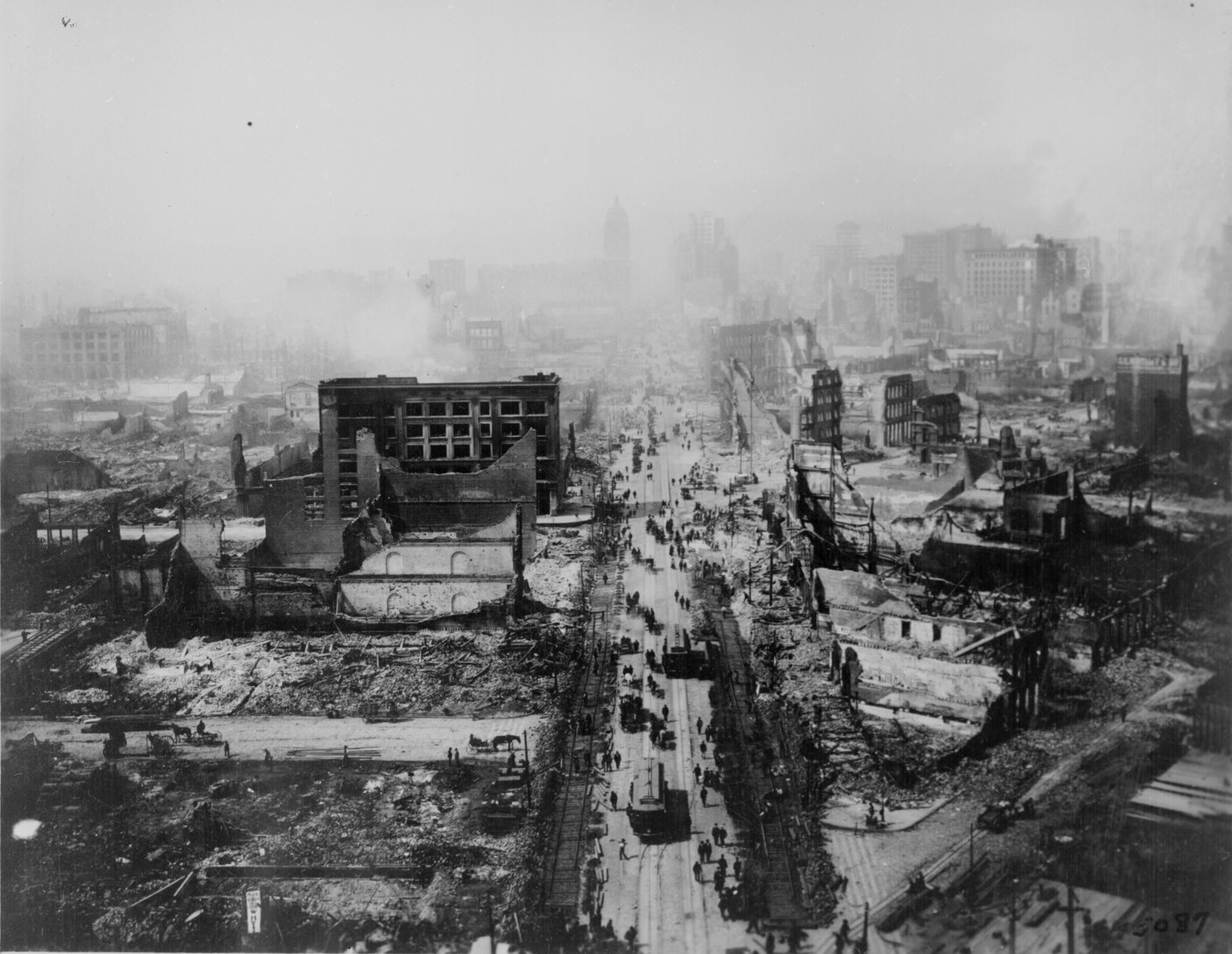
At the end of the time period firefighting had transformed from a volunteer position into a professional position. With the introduction of fire academies, civil exams, and rigorous physical standards to join. The need for professional firefighting departments grew and developed over the years. From Chicago to New York the need for firefighters in the slowly over populating cities.
Thursday, November 3, 2011
Progress of Research So Far
I am researching the development and surfacing of the Fire Department during this period. I have searched for information using: Google Advance Search; J-stor; History Reference Center; Student Research Center; and Gale PowerSearch. So far my I have gathered little if any usable sources and information from them to go beyond the information I already have, that of my own knowledge and what was mentioned in our discussions in class on the topic.
Thursday, October 20, 2011
Question #12
Q: What did strikers do?
A: Strikers would disrupt rail service from Baltimore to St. Louis, destroyed equipment, and rioted in the streets of Pittsburg and other large cities.
Friday, October 14, 2011
"Nation of Immigrants"
A “Nation of Immigrants” is like a common group for any and all cultures, genders, and ethnic groups. It is commonly referred to as a Melting Pot. The characteristics of those who decide to immigrate and leave their homeland is that of someone who is taking a leap of faith, and is being extremely courageous. Those who leave their homeland for America generally leave do to: sees little opportunity for themselves in their homeland; or they are seeking a setting that fits them; is seeking shelter from oppression; or seeking a way out of a bad situation. Those who have immigrated have a profound effect on how America was shaped, they take the jobs that most wouldn’t do, their cultures, traditions, and holidays have become imbedded into our own calendar. They also bring along their cultural dishes and foods.
I do not feel a great connection to my ancestors, but I do feel very aware of my ancestry in many cases. That is because as you go further back in your ancestry the amount of documentation decreases rapidly, I do not have a wealth of knowledge on my ancestors that those in the film are presented with. But I am very aware of my ancestors because my, father, grandfather, mother, grandmother, and great-grandmother would tell me stories that as a child they had heard about those before them, about who they were.
Subscribe to:
Posts (Atom)